
Occupational diseases: the silent problem that deserves more attention
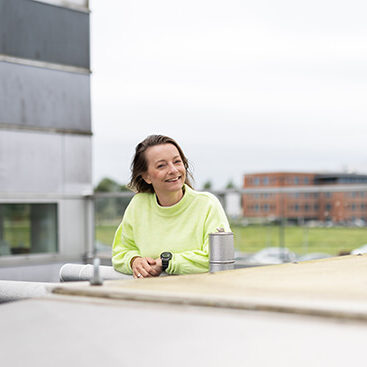
“We shouldn’t treat occupational diseases as something from the past. They’re still very much present, every single day,” says Aukje Huurman, occupational physician and medical officer at Capability. “It’s important that we continue to recognise and flag them when they occur. Only then can we actually do something about it. As far as I’m concerned, this deserves even more attention.”
Often only visible when it’s too late
When people think of occupational diseases, they often think of asbestos or lung conditions. “Asbestos is indeed a well-known example, but also a complicated one,” Aukje explains. “Exposure often took place decades ago, at a time when the risks were not yet fully understood. The health effects, such as lung cancer or mesothelioma, often only became apparent many years later. Sometimes when people had long since moved on to other employers or were already retired. That makes it nearly impossible to pinpoint exactly where and when someone became ill. And that’s precisely why so many occupational diseases remain under the radar.”
According to her, this makes awareness today more important than ever. “We want to avoid looking back in twenty years thinking: ‘If only we had spotted this earlier.’”
Occupational diseases today
Asbestos belongs to the past, but today’s workers still face numerous risks. “Think of painters who work with solvents for years and consequently suffer brain damage, or hairdressers who develop carpal tunnel syndrome after years of repetitive hand movements,” says Aukje. “Or care workers with chronic back problems from lifting and turning. Welders, cleaners and construction workers are frequently exposed to fine dust, noise or vibrations. And let’s not forget psychological occupational diseases: people who experience chronic work pressure or have too little control over their work. Those conditions can be just as harmful.”
Aukje also shares the example of a surgeon who developed a severe allergy to latex gloves. “It may sound minor, but for him it meant he could no longer perform his job safely. It has a deep impact, both professionally and personally. It shows that occupational diseases aren’t always dramatic or immediately visible. Sometimes they’re small but life-changing obstacles that can completely disrupt someone’s career.”
The vital signalling role of the occupational physician
The occupational physician plays a crucial role in recognising and reporting occupational diseases. “We often see the first signs during consultations. Yet registration still isn’t happening enough,” Aukje explains. “Sometimes because it’s unclear whether the illness is truly work-related, often because it’s difficult to determine. And another factor: administratively, it’s not always easy to record correctly. But every report helps. It brings the problem to light, and that’s the first step towards prevention.”
Fortunately, awareness is growing. “We actively look for patterns and discuss them within our team. If several employees at the same company show similar symptoms, that’s a signal we must take seriously. That calls for attention and action — exactly what Capability stands for.”
In line with the Arbovisie 2040
The Social and Economic Council (SER) and the Ministry of Social Affairs outline in the Arbovisie 2040 a future in which healthy and safe working conditions are the norm. Occupational diseases should be prevented as much as possible, rather than identified afterwards. “That vision aligns perfectly with our approach,” says Aukje. “We don’t want to wait until people become ill; we want to identify risks earlier, discuss them and intervene in time. That requires collaboration between employers, employees and occupational health professionals — and a culture in which discussing risks is normal.”
According to Aukje, this presents an important challenge for the coming years. “We need to move away from the idea that occupational diseases are simply part of the job. Every report, every conversation and every step forward helps make workplaces healthier. And a safe, healthy working environment should be the norm.”
Healthy work begins with attention and grows through action. That’s exactly what Capability stands for. Want to read more? Explore our other knowledge articles.
Get the latest insights
Want to receive more valuable insights on absenteeism, prevention, and sustainable employability? Then we have your attention – it’s time to take action. Sign up for our newsletter now!
We'd love to hear from you
Want to meet us? Have a question or looking for advice?
We're happy to help you get started.